Welcome to this fascinating journey discovering the history of the spreadsheet, a topic that is often taken for granted but conceals a long evolution of innovations and brilliant insights. I am Gianluca, and in this article, I will guide you step by step from the origin of spreadsheets to today's Excel ecosystem, the tool that millions of users worldwide use daily to manage data, analyses, and much more.
Table of contents
- 📝 From the blackboard to the computer: the first steps of the spreadsheet
- 💻 VisiCalc: the first revolution in the world of spreadsheets
- 📊 Lotus 1-2-3: the ruler of the Eighties
- 🖥️ The arrival of Excel: a new era for spreadsheets
- 📈 Excel today: a continuously evolving ecosystem
- 🤖 Future trends: artificial intelligence and cloud computing
- 🔚 Conclusions: a story of continuous innovation
📝 From the blackboard to the computer: the first steps of the spreadsheet
The history of the electronic spreadsheet begins with a simple but brilliant observation by Dan Bricklin, a young student. Bricklin noticed that his professor, during lectures, was forced to erase and rewrite entire portions of calculations on a blackboard every time an error occurred. This process was not only slow but also prone to errors and inefficiencies.
From this observation, the idea was born to create a digital tool capable of dynamically modifying data, immediately displaying the updated results of calculations. This intuition was the seed from which the concept of the electronic spreadsheet germinated, a tool that would revolutionize the way we work with numbers and data.

💻 VisiCalc: the first revolution in the world of spreadsheets
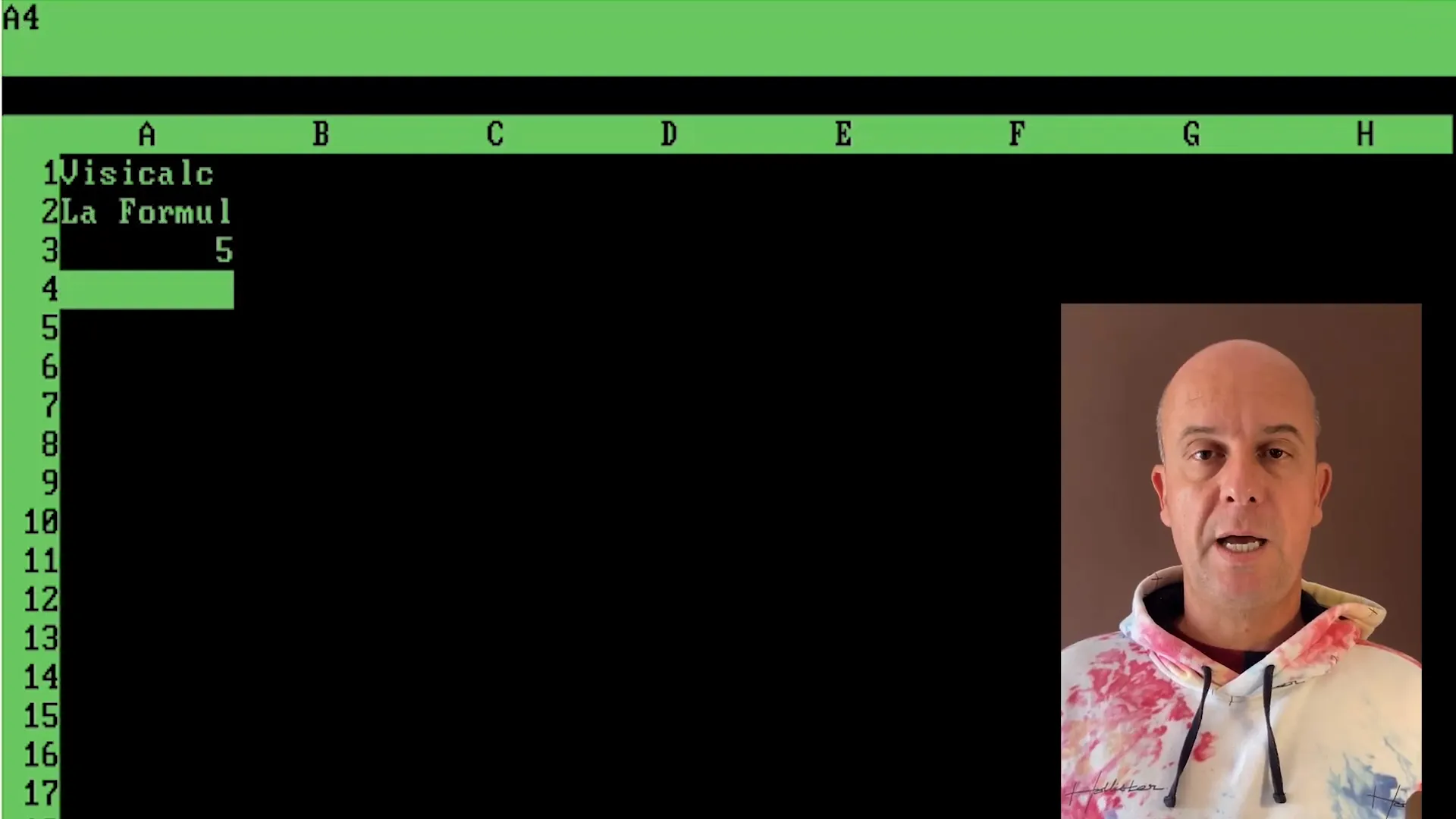
In 1979, VisiCalc was born as the first successful commercial spreadsheet. Created for the Apple II computer, VisiCalc radically changed the way people worked in offices. Before then, managing budgets, forecasts, and data analysis was a complex and manual activity, often subject to errors and delays.
VisiCalc allowed these processes to be automated, offering the ability to update data and immediately see the effects on related calculations. Its spread was so rapid and widespread that it significantly contributed to the commercial success of the Apple II, demonstrating how a software application could drive hardware sales.
📊 Lotus 1-2-3: the ruler of the Eighties
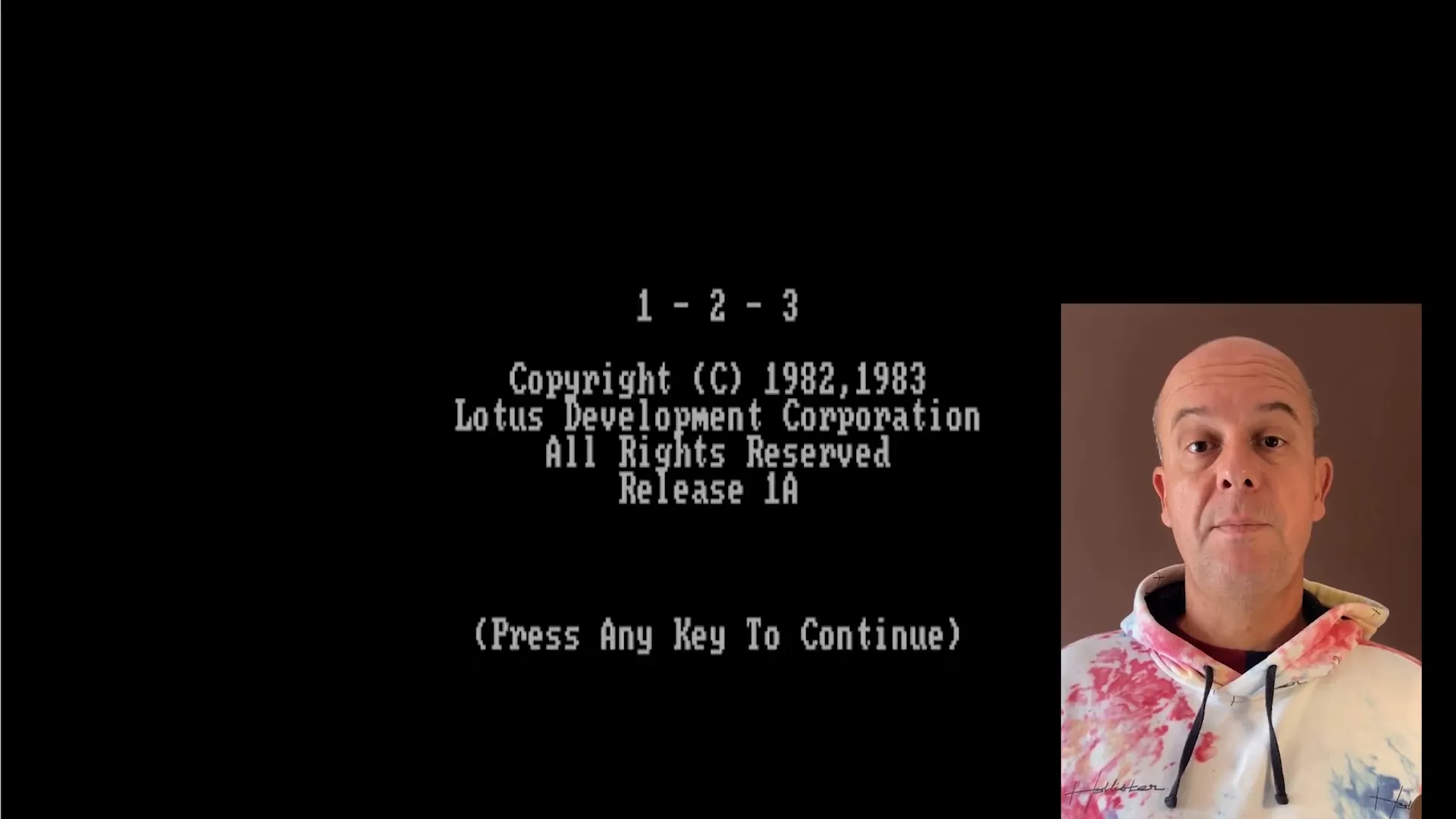
In the 1980s, Lotus 1-2-3 became the standard for spreadsheets. It was no longer just a simple calculating tool, but a versatile program that integrated advanced features such as graphing and database management. These features made Lotus 1-2-3 an indispensable tool for professionals and businesses, capable of satisfying much more complex needs than in the past.
The success of Lotus 1-2-3 was such that it consolidated its position as a leader in the spreadsheet market for the entire decade, marking an era of major development for electronic data management.
🖥️ The arrival of Excel: a new era for spreadsheets
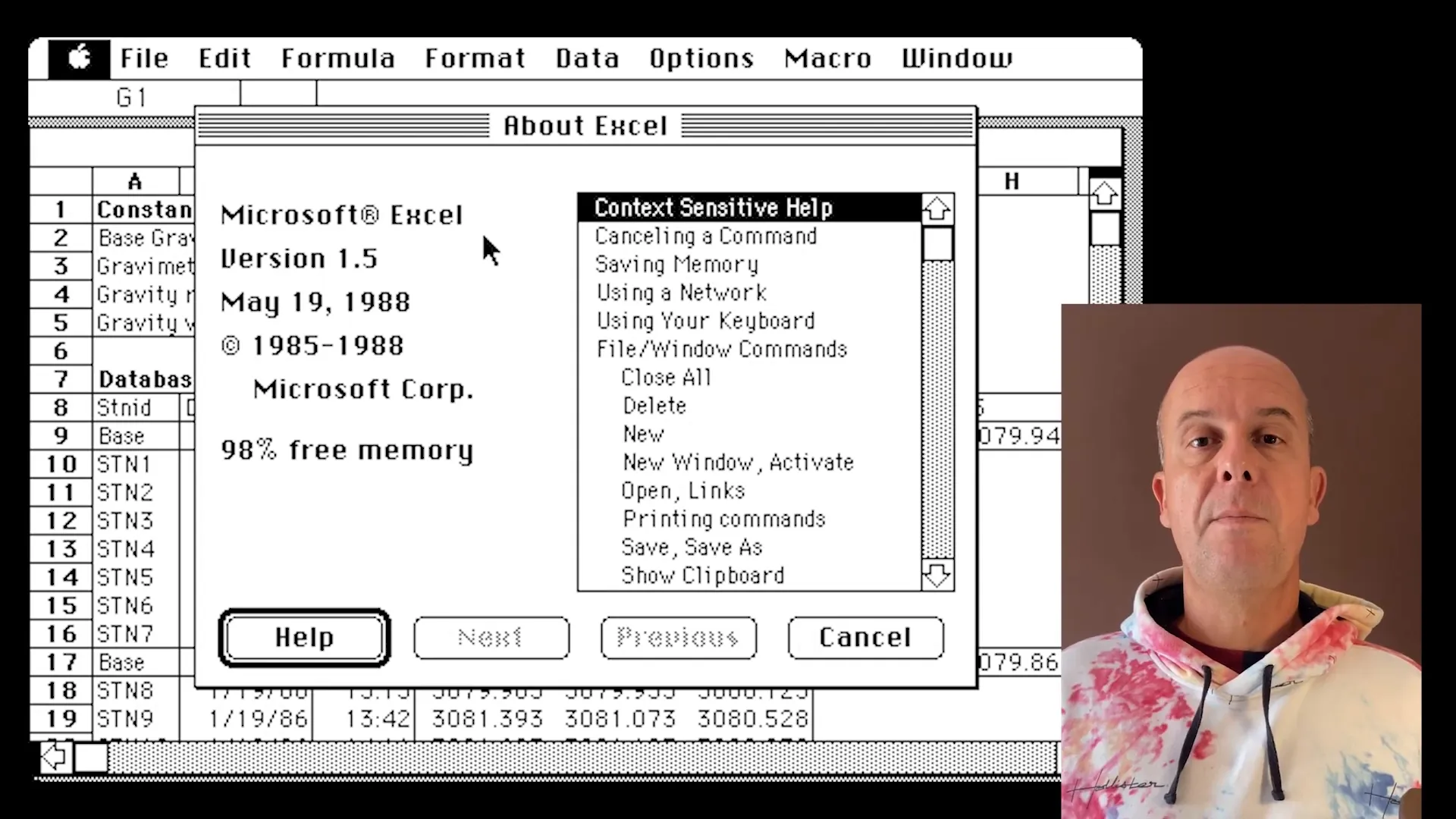
1985 represented an epochal turning point with the launch of Microsoft Excel for Macintosh. This software brought a breath of fresh air to the world of spreadsheets thanks to an intuitive user interface and powerful, flexible calculation capabilities.
Excel did not just replace previous spreadsheets, but surpassed them in terms of usability and technical capacity. The introduction of Excel for Windows allowed the program to spread rapidly, becoming the most widely used spreadsheet in the world and overtaking the dominance of Lotus 1-2-3.
This success was also possible thanks to compatibility with the Windows operating system, which made Excel accessible to a wide audience of users, from small businesses to large industrial groups.
📈 Excel today: a continuously evolving ecosystem
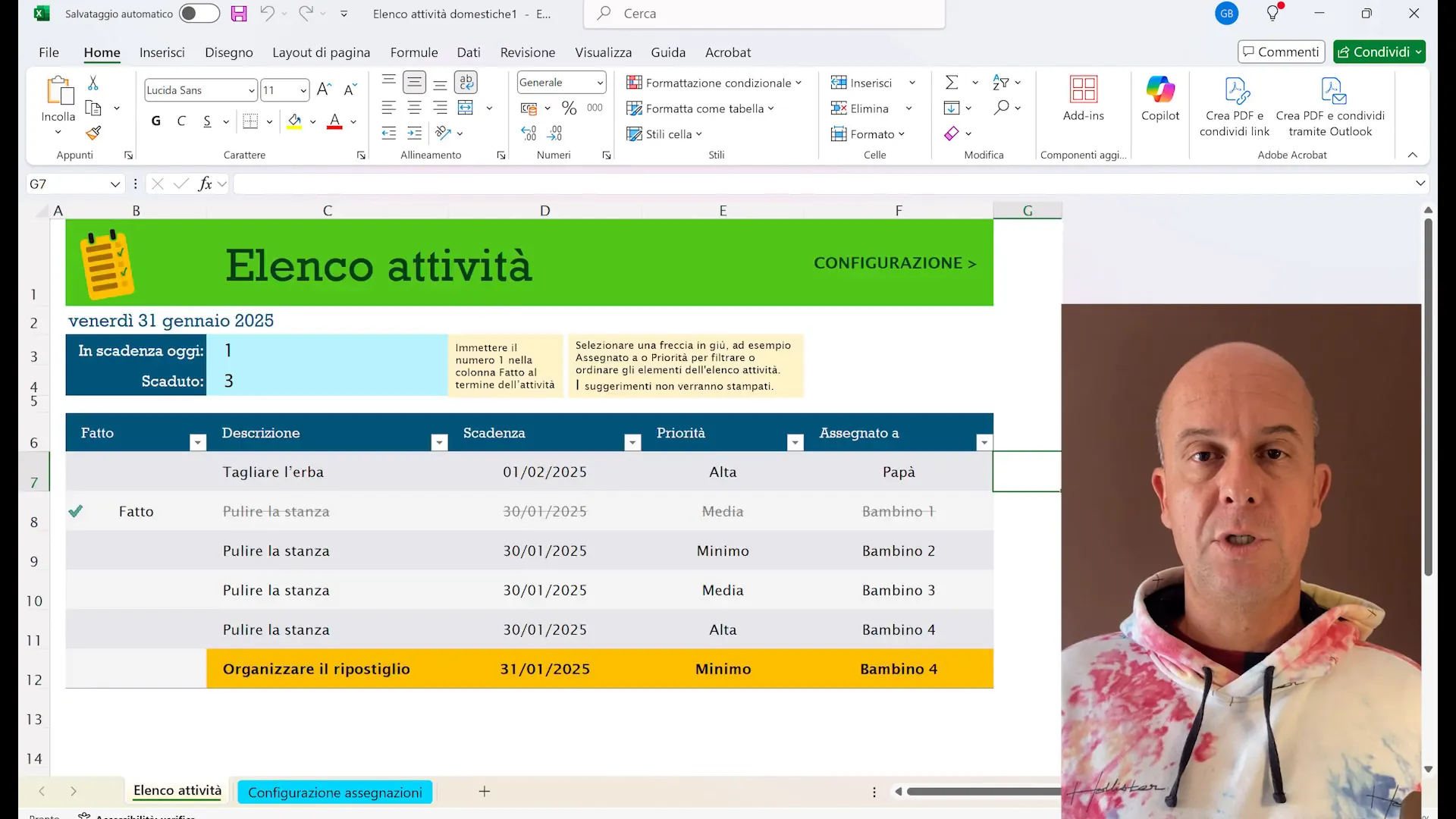
Since then, Excel has never stopped evolving. Today, it is no longer just a simple spreadsheet, but a complete platform for data analysis. It is used to create interactive dashboards, visualize complex information, and support strategic decisions in every industry.
Excel's capabilities have expanded to include business intelligence tools, integration with external databases, automation via macros and scripting languages like VBA, and much more. This flexibility has made Excel an essential tool for all kinds of professionals, from financial analysts to marketing managers, from engineers to researchers.
🤖 Future trends: artificial intelligence and cloud computing
The future of spreadsheets appears even more promising and full of innovation. Ever closer integration with artificial intelligence will allow many repetitive and complex tasks to be automated, freeing users to focus on higher value-added tasks.
For example, thanks to artificial intelligence, it will be possible to get smart suggestions for formulas, automatic predictive analyses, and even the generation of customized reports quickly and easily.
At the same time, the evolution of cloud computing is revolutionizing the way we collaborate on spreadsheets. Today it is possible to work simultaneously on the same file from different parts of the world, with real-time updates and simple, secure sharing of information.

🔚 Conclusions: a story of continuous innovation
The history of spreadsheets is a story of continuous evolution, starting from the first rudimentary tables drawn on a blackboard to the sophisticated data analysis tools we use today. Excel, with its long history and capacity to constantly innovate, has played a fundamental role in this path, becoming the reference tool for millions of users worldwide.
Despite the historical importance and spread of Excel, it is essential to remember that not everyone has the same needs. For this reason, I offer customized courses on Excel and other applications, tailored for you or your business. Together we analyze your goals and build a training path that allows you to achieve concrete and lasting results.
If you want to learn more or start a path of professional growth with Excel, visit the website www.gianlu.it, write to info@gianlu.it, or call +39 339 221 9765 for a customized consultation.
Thank you very much for reading this far, and I look forward to seeing you in the next article!